

Speech delay is something many parents think about early on after their child is diagnosed with Down syndrome.
You might find yourself wondering when your child will say their first words, or whether speech will develop in the same way it does for other children.
I remember thinking about this a lot when Maisy was younger. Like most parents, I was listening for every little sound she made, hoping it might turn into a word.
What I’ve learned since then is that Down syndrome communication often follows a different timeline. Language skills still develop, but it may happen more gradually and in smaller steps.
In this article, I want to share what we’ve learned about speech delay in children with Down syndrome — both from the professionals who support Maisy and from our own experience as her parents.
Because if there’s one thing Maisy has taught me, it’s that speech and language development doesn’t always look the way you expect it to.
Understanding Speech Delay in Children With Down Syndrome
One of the first things we learned is that speech delay is very common in children with Down syndrome.
Most children with Down syndrome follow the same communication milestones as other children, but the timeline can look very different. Speech and language development usually happens at a slower rate, and spoken words can take longer to appear.
When Maisy was younger, this was something we had to learn to understand properly. Like many parents, we were listening for those first words and wondering when they would come.
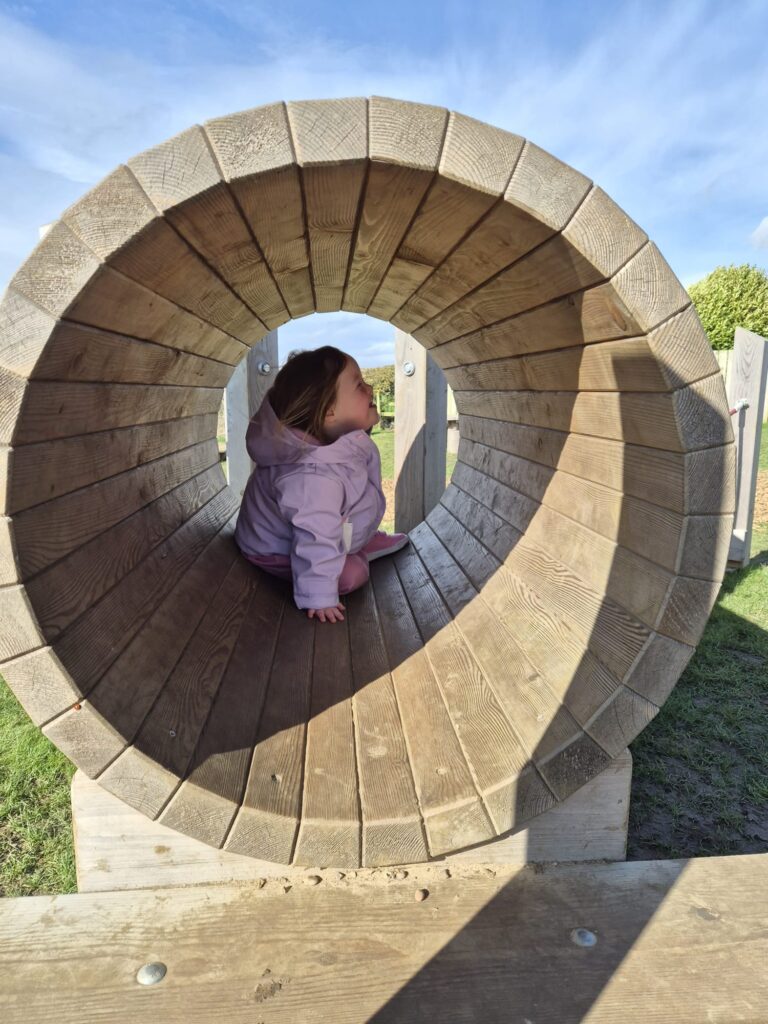
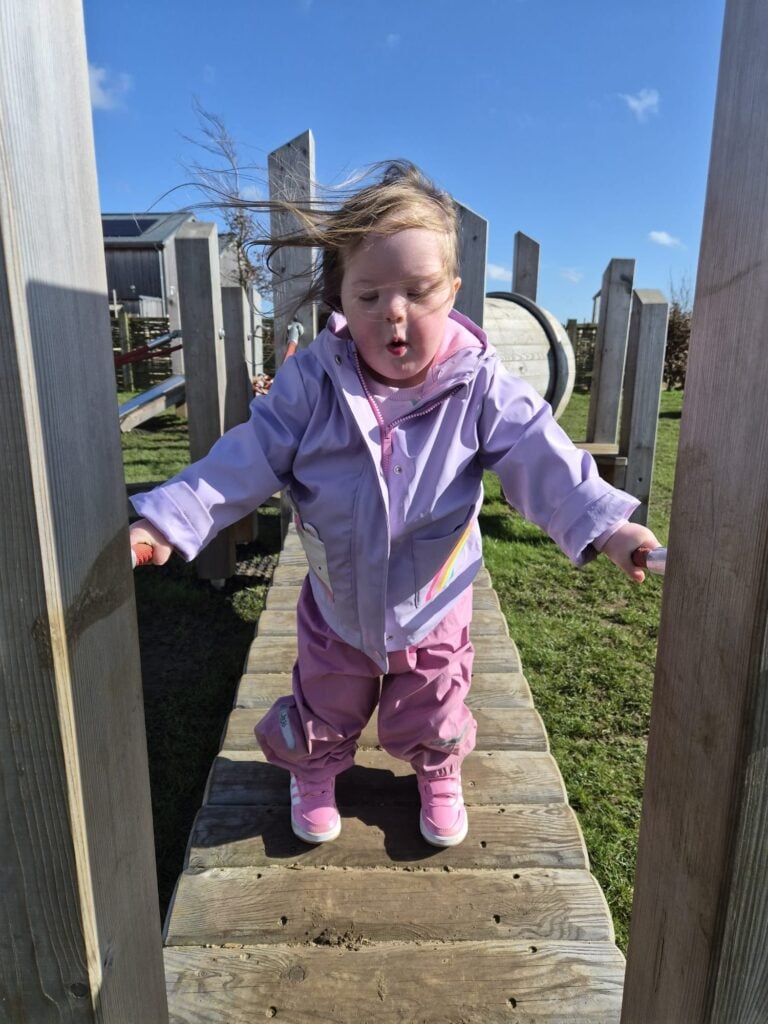
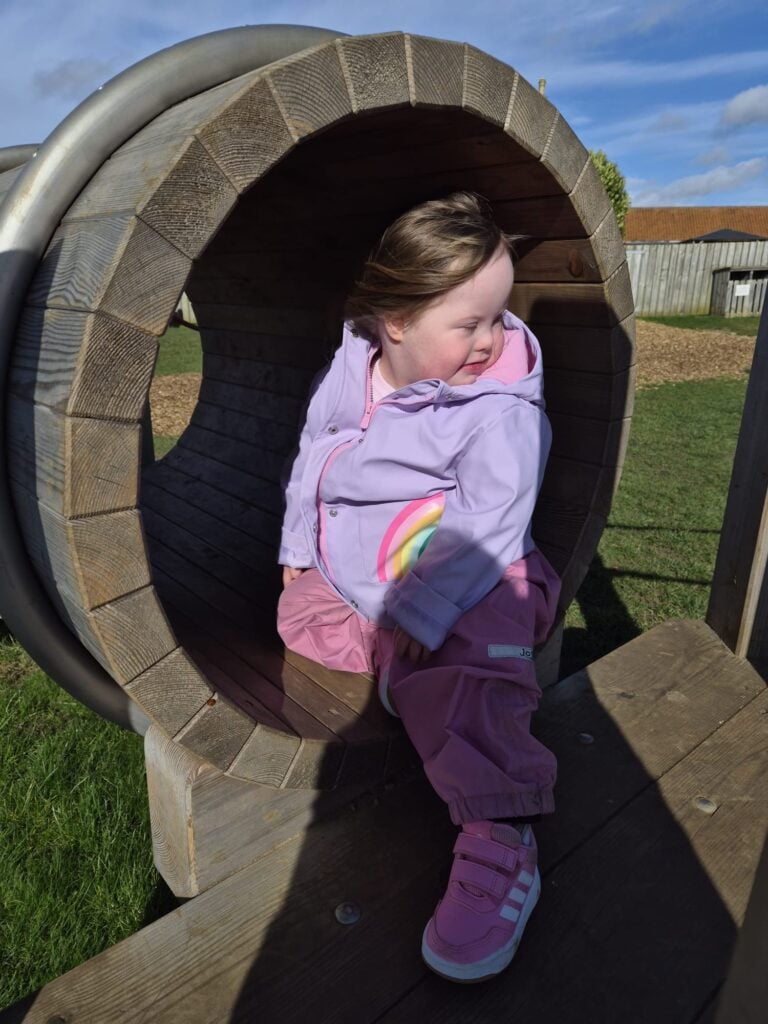
What we gradually realised is that language development in children with Down syndrome often begins long before speech becomes clear. Understanding the relationship between Down syndrome and speech helped us realise that communication often develops in stages.
This actually happens with all children. They usually understand words long before they say them.
What we learned with Maisy, though, is that the gap between understanding and speaking can be bigger in children with Down syndrome.
Spoken language often just takes a bit longer to appear. And that delay isn’t about intelligence or your child’s ability to learn language. Instead, it’s usually connected to physical and neurological factors that influence how speech and communication develop.
There are a few common reasons for this, including:
- Low muscle tone, which can affect the muscles used for speech and oral motor skills
- Differences in how the brain processes and learns language
- Hearing challenges or mild hearing loss that can affect how clearly children hear speech sounds
- Slower motor development, which can impact the coordination needed to produce clear speech sounds
Because of these factors, many children with Down syndrome develop receptive language much earlier than expressive language.
In simple terms, it means a child may understand far more than they’re able to say.
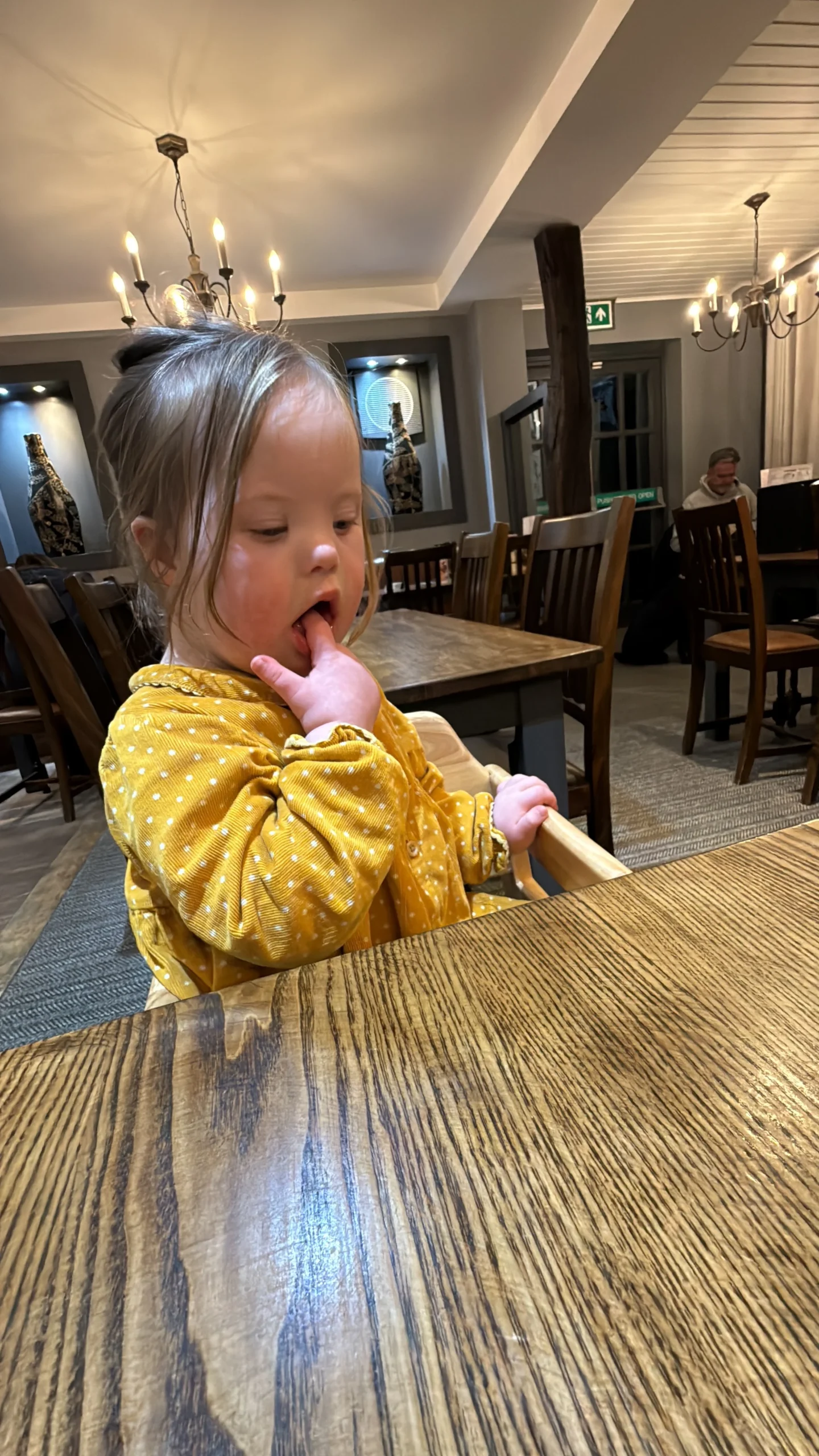
This difference between understanding and speaking is a very common part of Down syndrome language development.
A child might recognise familiar words, follow instructions, respond to their name, or show clear facial expressions and social understanding, even if their spoken vocabulary is still very small.
This stage can sometimes feel confusing.
But communication is happening. Your child may clearly understand what you’re saying, engage with family members, and show strong communication skills through gestures, eye contact, or facial expression.
Spoken words emerging slowly is a very common pattern when it comes to Down syndrome and speech development.
Why Speech Delay Happens in Children With Down Syndrome
Understanding why speech delay happens in the first place can be very helpful.
Speech and language delays are common in children with Down syndrome, but they usually aren’t caused by just one thing.
Instead, several physical and developmental factors can influence how children with Down syndrome learn to communicate, develop speech sounds, and build vocabulary.
One of the biggest factors is low muscle tone. Many children with Down syndrome have reduced muscle tone throughout their bodies, including the muscles used for speaking.
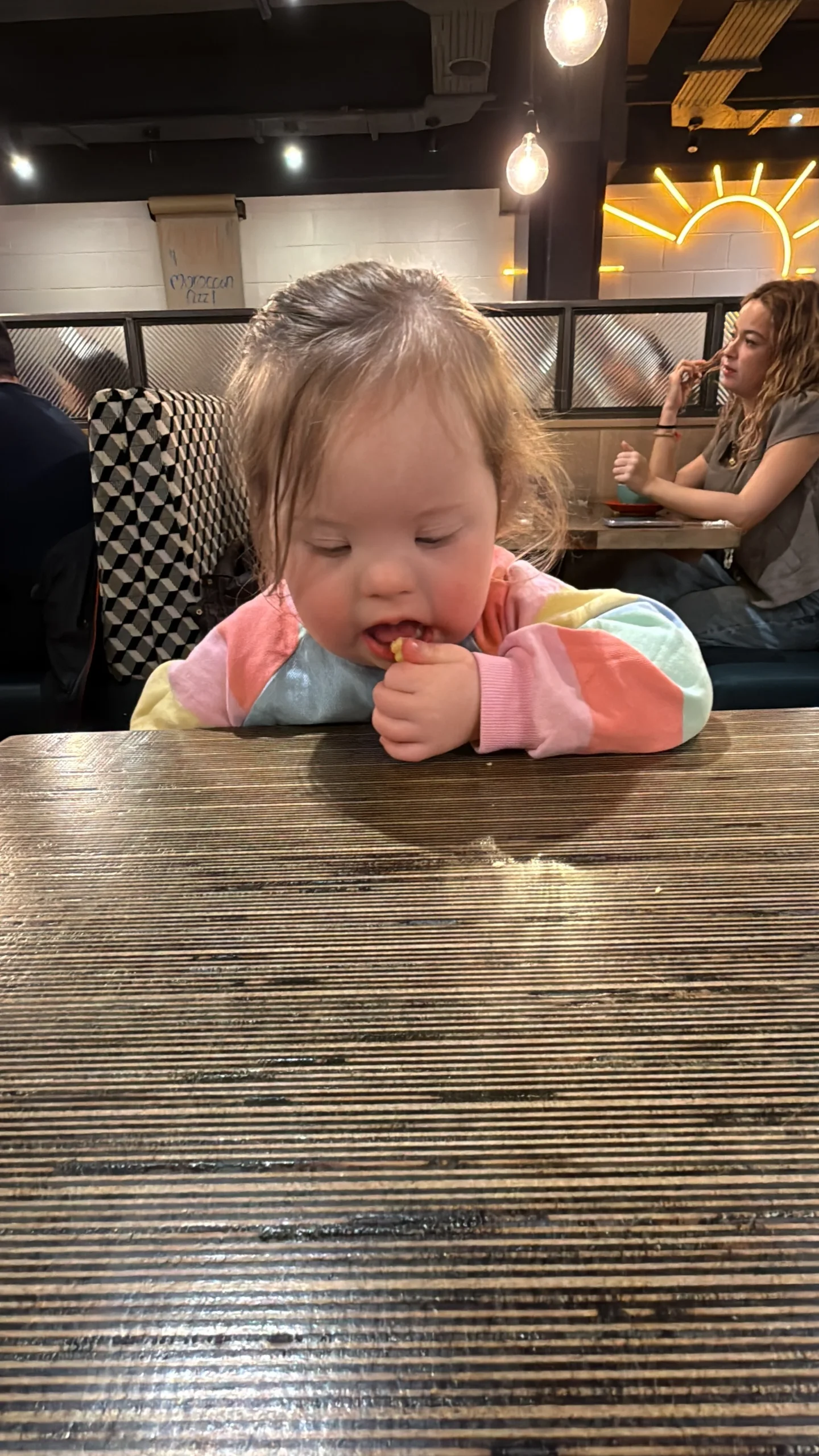
These speech muscles (the lips, tongue, and jaw) are essential for producing clear speech sounds.
If those muscles take longer to strengthen and coordinate, it can affect speech intelligibility, meaning how clearly your child’s words can be understood.
Another factor that can affect speech and language development is hearing. Children with Down syndrome are more likely to experience hearing loss or frequent ear infections during early childhood.
There can also be differences in how the brain processes and organises language learning. Many children with Down syndrome are very strong visual learners and often communicate effectively through gestures, facial expressions, and social interaction long before spoken language becomes consistent.
That’s something we’ve seen with Maisy as well. Even before she was able to say many words, she communicated with us through eye contact, facial expression, and little sounds that clearly meant something to her.
Over time, with support, practice, and early intervention, these communication skills continue to grow.
Down syndrome speech and language therapy can help children strengthen the skills needed to develop clearer speech and expand their vocabulary. Speech and language therapists often focus on building communication step by step, supporting both understanding and spoken language.
What Speech Development Can Look Like in Children With Down Syndrome
Once we understood why speech can take longer to develop, the next thing we wanted to know was what progress might actually look like over time.
What we’ve learned with Maisy is that speech tends to develop little by little. She currently has around half a dozen spoken words, many of them connected to food and drink.
But her communication isn’t limited to those words.
She uses a mixture of sounds, reactions, and gestures to help us understand what she wants.
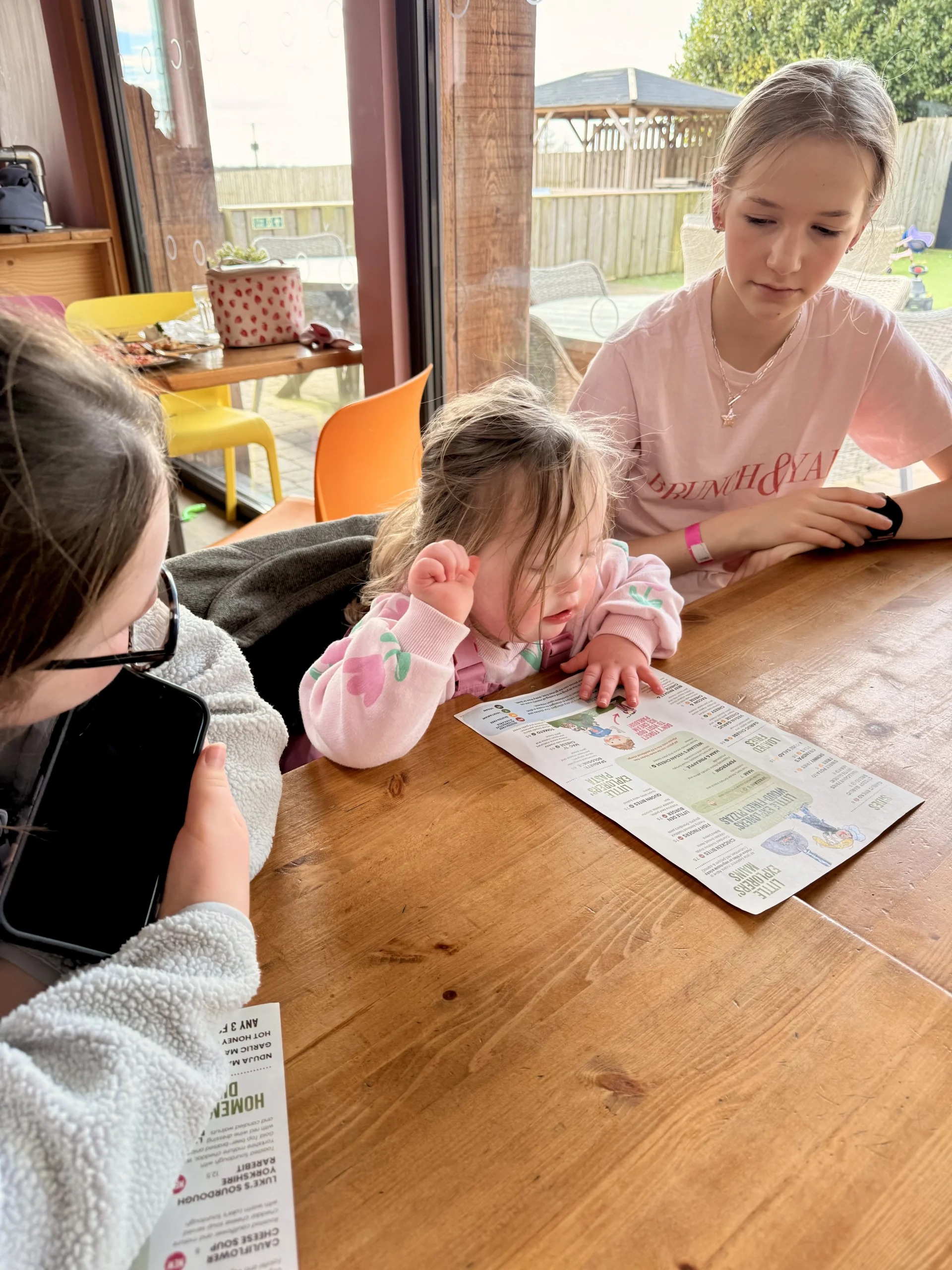
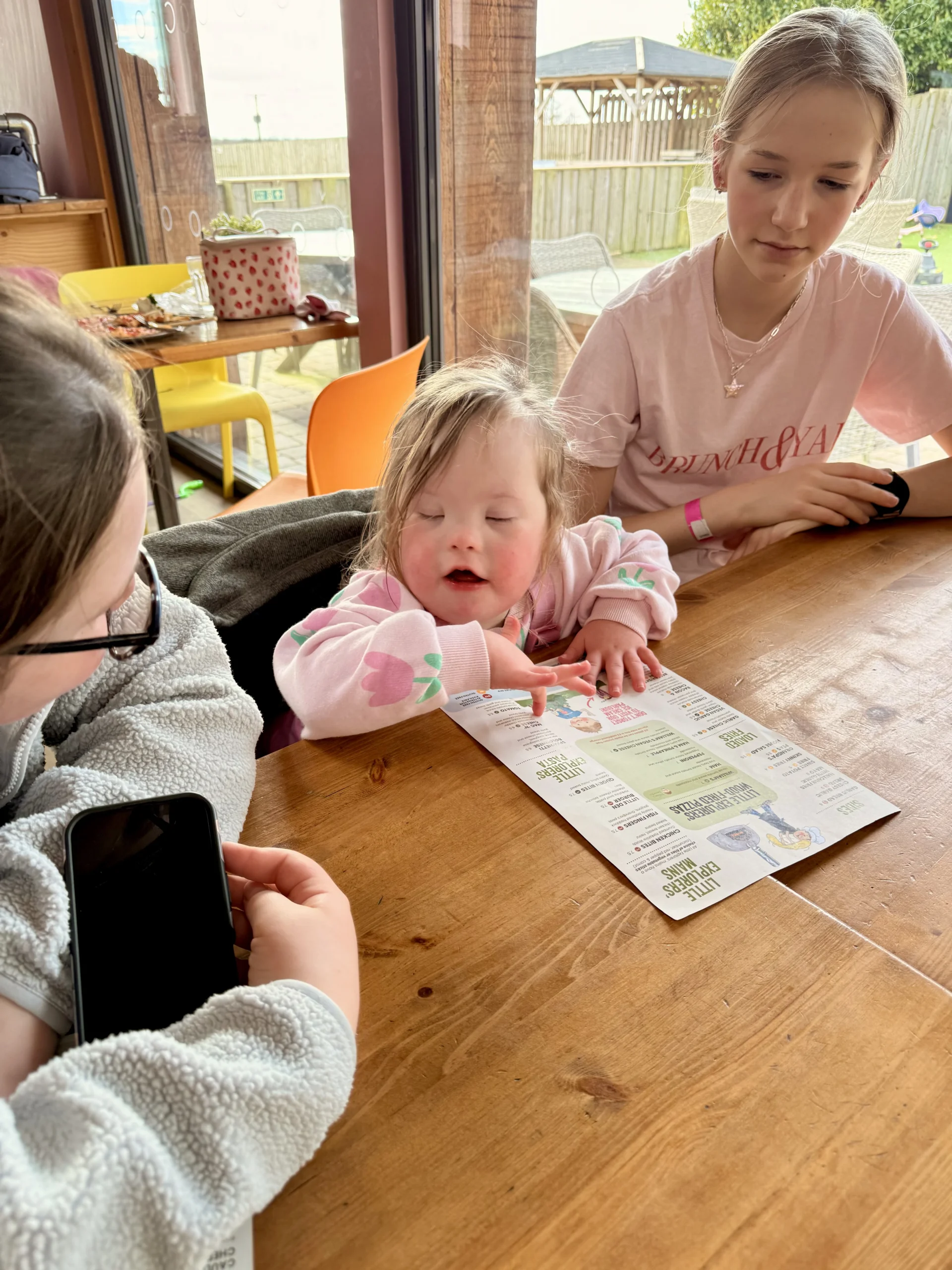
Sometimes she raises her arms when she wants to be picked up, and other times she’ll grab my hand and pull me towards something she wants.
We also use Makaton, which is a sign-supported communication system often used with children with Down syndrome. Alongside that, we practice using picture flashcards so she can see the object, hear the word, and connect the two together.
For example, if we’re teaching the word “toilet”, we might show a picture of a toilet, say the word out loud, and use the Makaton sign at the same time.
Children with Down syndrome often learn well when they can see and hear language together, so using visual supports can make a big difference.
Progress can look like:
- learning a new word after hearing it many times
- trying to copy sounds or short phrases
- using the same word consistently in the right situation
- combining gestures and speech to communicate more clearly
These moments might seem small, but they’re important signs that speech and language are developing.
With time, practice, and support from speech and language therapists, many children continue expanding their vocabulary and improving how clearly they can express themselves.
Down Syndrome Language Development Happens in Stages
Children with Down syndrome usually move through the same language development stages as other children, but at a slower pace.
Communication often develops in this order:
- Facial expressions and social interaction
- Gestures and body language
- Signs or visual communication
- Single words
- Short phrases
Many children spend longer in what speech therapists call the emerging language stage, where communication happens through gestures, sounds, and simple words.
This stage can last for months or even years, depending on your child.
For many families, this is where alternative communication strategies can make a big difference.
Down Syndrome Speech and Language Therapy
One of the most helpful supports for Down syndrome speech and language development is early intervention.
From the time Maisy was born, we were connected with professionals through the NHS who helped guide her development. This included regular sessions with a speech and language therapist.
These sessions often include simple activities that you can continue at home.
Instead of formal homework, therapists usually suggest practical things you can build into daily routines. This might include repeating words during play, encouraging gestures, or practising simple sounds.
Many children with Down syndrome also benefit from structured communication programs and support groups where they can interact with other children and practice communication in social settings.
For Maisy, attending groups with other children has been an important part of learning.
Communication Strategies That Help Children With Down Syndrome
Because spoken language may develop later, many families raising children with Down syndrome use additional communication strategies to support language development.
Common Down syndrome communication strategies include:
Sign Language or Makaton
Using signs alongside spoken words can help children express themselves before speech develops fully.
Visual Support
Picture cards or visual prompts help children connect words with meaning.


Repetition
Children with Down syndrome often benefit from hearing the same words many times in different contexts.
Slow and Clear Speech
Speaking clearly and giving children time to respond helps reinforce language learning.
These strategies help children communicate effectively while their spoken language continues to develop.
What Maisy’s Speech Journey Has Taught Me
If there’s one thing Maisy’s speech journey has taught me, it’s that progress is sometimes incredibly small.
Her speech development often feels like a waiting game. There have been countless times I’ve wondered when a word would arrive.
But over time, I’ve realised it’s better to focus on how her communication is growing.
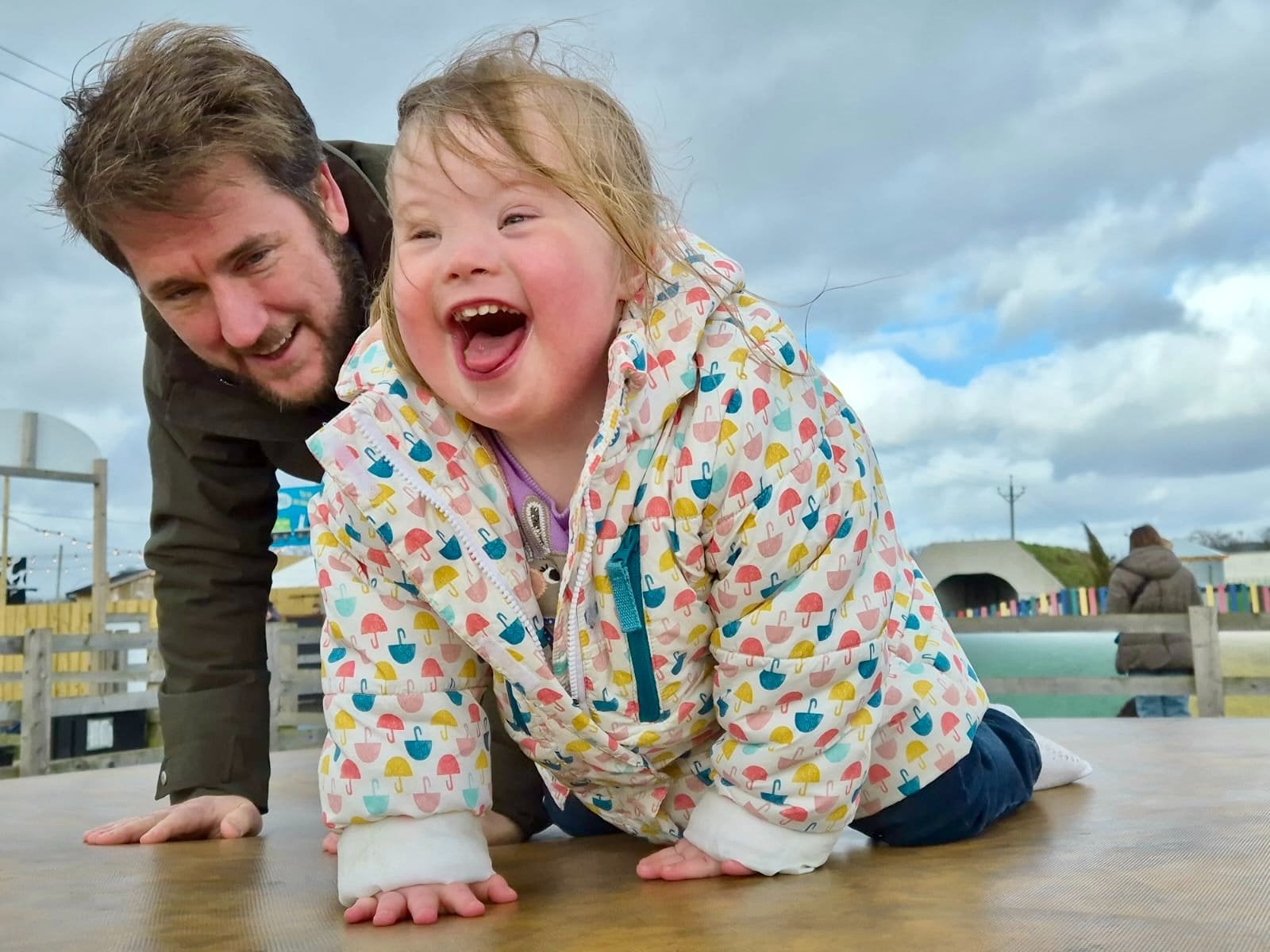
Sounds and gestures are also huge milestones.
Maisy may only have a handful of spoken words right now, but she communicates with us in so many ways.
One of the biggest lessons I’ve learned along the way is not to compare her progress to other children. Down syndrome speech and language development can look very different for every child.
The important thing to remember is that communication grows in many ways, even before clear words appear.
Questions Parents Often Ask About Speech Delay and Down Syndrome
At what age do children with Down syndrome start talking?
There isn’t a single timeline for speech development in children with Down syndrome.
Some children begin using simple words during toddlerhood, while others may take longer to develop clear speech. Because of factors such as low muscle tone, oral motor development, and hearing differences, spoken language may emerge later than it does for other children.
Your child might begin with sounds, gestures, or a few single words before expanding their vocabulary over time.
Does speech therapy help children with Down syndrome?
Speech and language therapy can be extremely helpful for many children with Down syndrome.
Speech therapists often work on building communication skills step by step. This may include strengthening oral motor skills, encouraging sound imitation, expanding vocabulary, and helping children use language in everyday situations.
Early intervention and regular support can help your child develop stronger communication abilities over time.
How can I support speech development at home?
Parents play a huge role in supporting speech and language development.
Simple things you do every day can make a big difference, such as:
- talking during everyday routines
- reading books together
- repeating words regularly
- using gestures or signs alongside speech
- giving your child time to respond
You can also use visual supports, picture cards, or sign language systems like Makaton to help your child communicate while speech continues to develop.
Speech and language therapists can also provide activities and guidance that you can continue practising at home.