
A Week of Headlines That Hit Close to Home- Children’s Sensory Needs “Insane”.
This week, the news has been full of comments discrediting autism and calling simple tools like ear defenders “insane.”
As a parent of a child with additional needs, I felt that in my chest. Hard.
Because when you’re raising a child with Down syndrome — a child who experiences the world differently, who relies on supports to stay calm and safe — hearing those words stings. It’s more than a headline. It’s personal.
For us, children’s sensory needs aren’t a political talking point.
They’re our life.
They’re part of Maisy’s everyday world.
Why Children’s Sensory Needs Matter for Children Like Maisy
Maisy is nearly four, and she experiences sensory input differently from other children.
Like many children with Down syndrome, she can become overwhelmed by:
-
sudden loud noises
-
busy, unpredictable environments
-
crowded spaces
-
fast movement
-
changes in light or sound
And these aren’t “behaviours” — they’re sensory responses.
Real, valid, human responses.
This is exactly why children’s sensory needs must be taken seriously.
Some children use ear defenders.
Some rely on fidget toys, weighted blankets, compression vests, visual schedules, walkers, or structured routines.
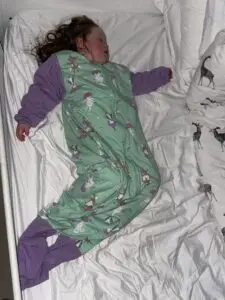
Maisy uses her walker, sensory toys, calm spaces, and her cosy Slumbersac to help her settle. See Maisys latest blog to see her favourite Slumbersac Our Winter Favourites with Maisy 💛 Cosy Moments & Outdoor Magic.
None of these things are “insane.”
They’re simply tools that help our children take part in the world — tools that support their safety, confidence, and joy.
The Harm of Dismissing Sensory Needs
When public figures or political voices dismiss autism, minimise sensory needs, or claim that children “don’t need” ear defenders, the impact is huge.
It does three things:
1. It makes children feel like their needs are wrong.
When the world tells them they should cope without support, they learn to mask — not to thrive.
2. It isolates parents.
We’re left defending something we shouldn’t have to explain.
3. It fuels stigma and misunderstanding.
And children with Down syndrome, autism, ADHD, sensory processing differences, or learning disabilities pay the price.
Understanding isn’t difficult.
What’s difficult is realising that so many people still choose not to offer it.
A Day With Maisy: Our Reality
Take a simple trip to the shops.
If it’s noisy, Maisy might:
-
cover her ears
-
freeze
-
cry
-
become distressed
-
cling to me
-
need to leave
This isn’t misbehaviour.
This is sensory overwhelm — her brain protecting her.
When we use tools that support her sensory needs — whether ear defenders, a quieter route, or giving her extra time — she shines.
Her confidence grows.
She smiles, engages, explores, and enjoys her day safely.
This is why every child deserves accommodation, not judgement.
To the Parents Who Felt Hurt This Week
If this week’s news made your heart drop… I see you.
If you felt protective.
If you felt tired.
If you felt fed up of having to justify your child’s very real needs.
You’re not alone.
Your child’s sensory needs are real.
Your child’s support tools are valid.
And your voice matters more than the noise.
What We Stand For at Maisy and Dadda
This blog exists to share our world — not to debate it.
We stand for:
💛 inclusion
💛 patience
💛 sensory understanding
💛 compassion
💛 celebrating every child exactly as they are
Maisy is perfect.
Your child is perfect.
And the tools they need are not weaknesses. They are pathways into the world.
A Kinder Way Forward
If society wants children with Down syndrome, autism, ADHD, sensory processing disorder, and other conditions to thrive — then society must adapt. Not the other way around.
Ear defenders aren’t the problem.
Parents who advocate aren’t the problem.
Children with different sensory needs aren’t the problem.
The real problem is a lack of understanding.
And the solution will always be the same:
Kindness. Education. Empathy. Inclusion.
We’ll keep choosing that — every single day.