

Down syndrome fine motor skills can feel like another confusing part of development, especially when you’re already trying to understand everything else that comes with raising your child.
When we were first learning about Maisy’s development, most of the focus was on bigger milestones like sitting, crawling, and walking.
But over time, we started to realise that the smaller movements are just as important.
Fine motor skills are involved in so many everyday things, like holding objects, feeding, playing, and eventually things like drawing or getting dressed. These all rely on smaller, more precise movements.
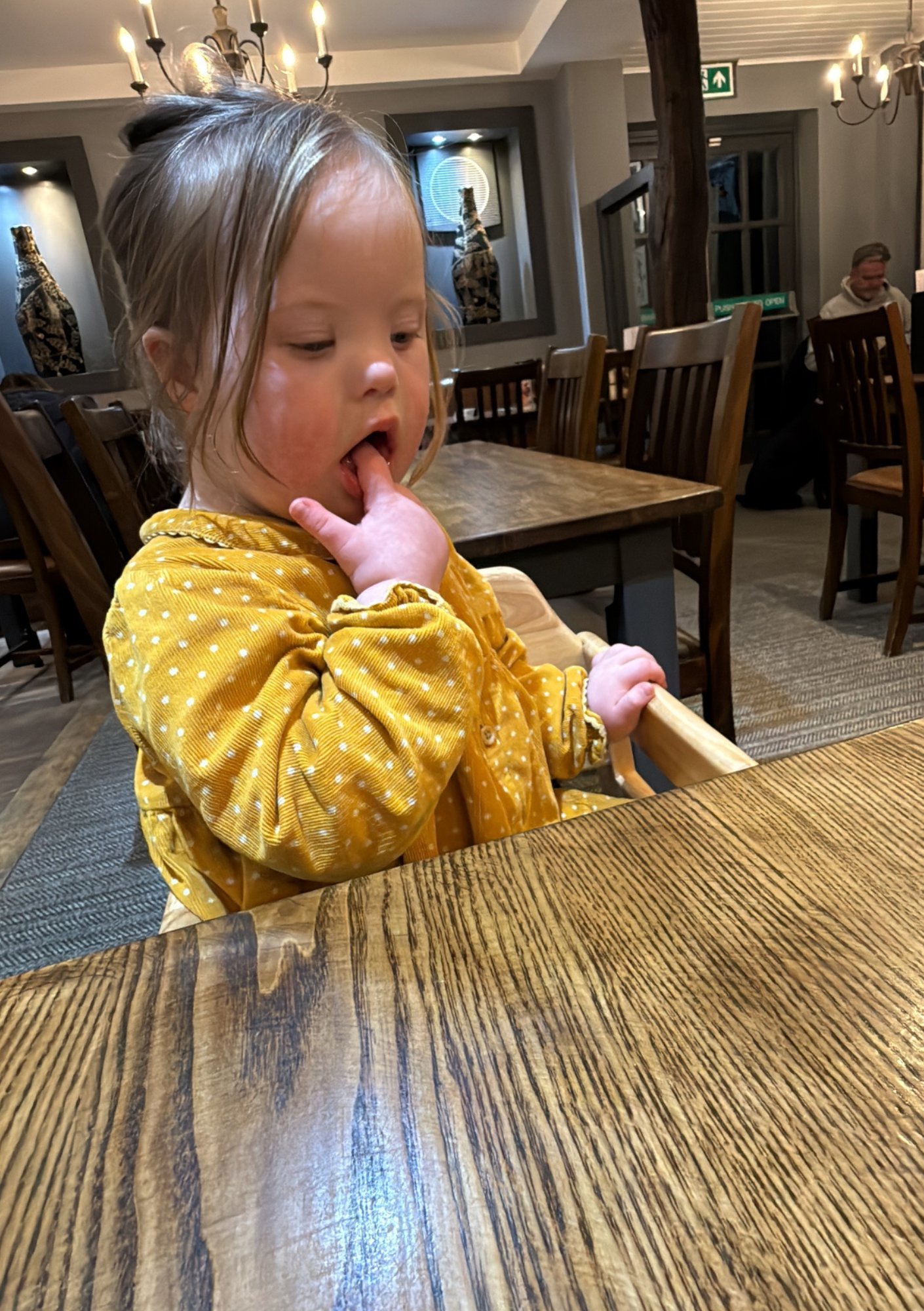
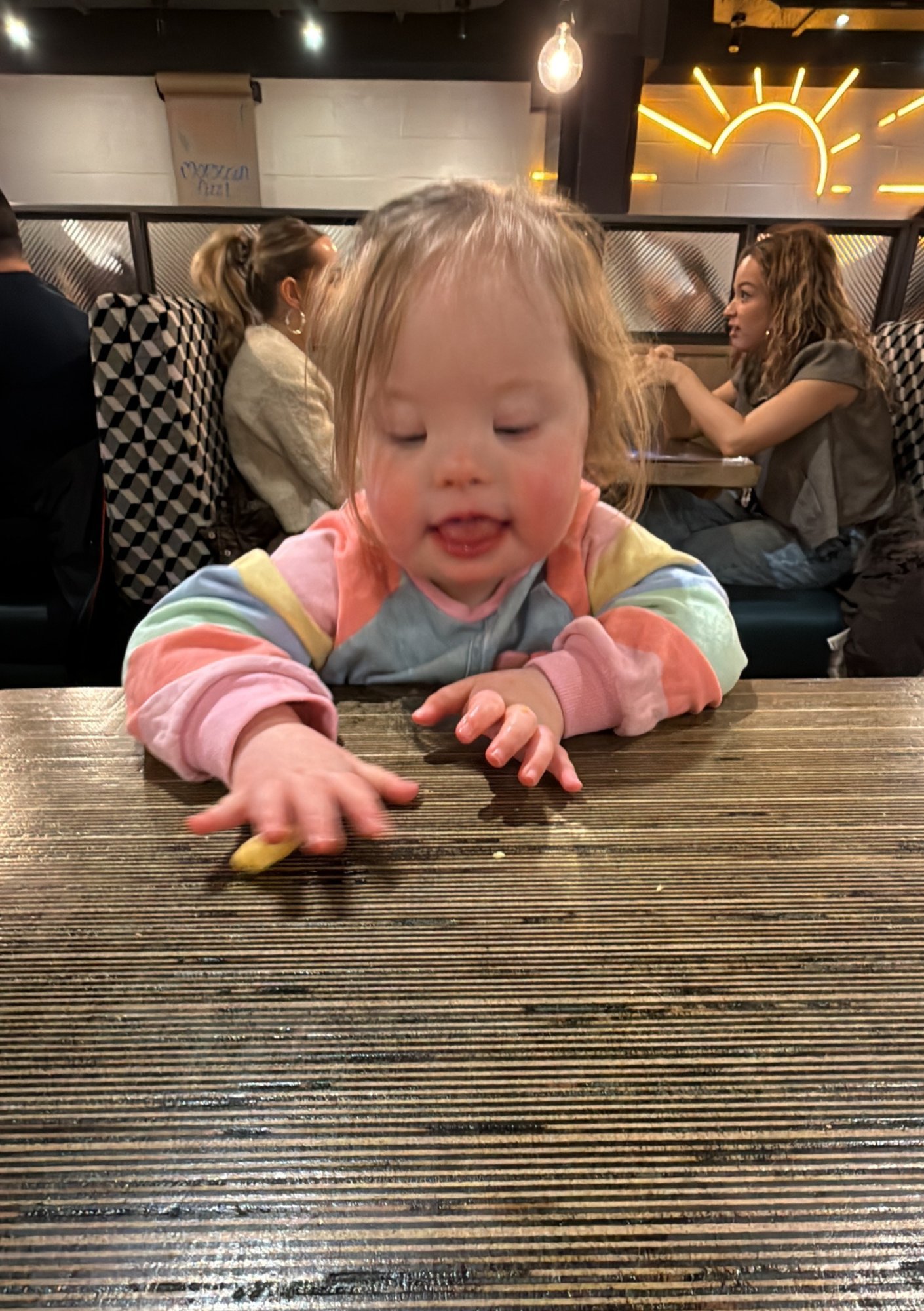
With Down syndrome, these skills often take longer to develop. And like many other areas of development, it’s not always something you truly understand in the beginning, even when it’s explained.
What we’ve learned with Maisy is that fine motor development doesn’t happen in isolation. It’s closely linked to things like muscle tone, strength, and overall coordination.
In this article, I’ll share what Down syndrome fine motor skills can look like, how they can develop over time, and what we’ve learned with Maisy.
What Are Fine Motor Skills?
Fine motor skills are the small, precise movements your child makes using their hands, fingers, and wrists.
These skills are involved in everyday tasks like picking up small objects, holding a spoon, turning pages in a book, and eventually drawing, using scissors, or learning to hold a pencil.
These might seem like small things, but they play a big role in your child’s independence and daily living as they grow.
Fine motor development is linked to overall motor skills, hand strength, and coordination. Having a stable base, like sitting upright or maintaining balance, plays a big role in helping your child control their finger movements and develop fine motor functions.
Fine motor skills grow alongside your child’s overall development, and like many things with Down syndrome, they often just need more time, practice, and support.
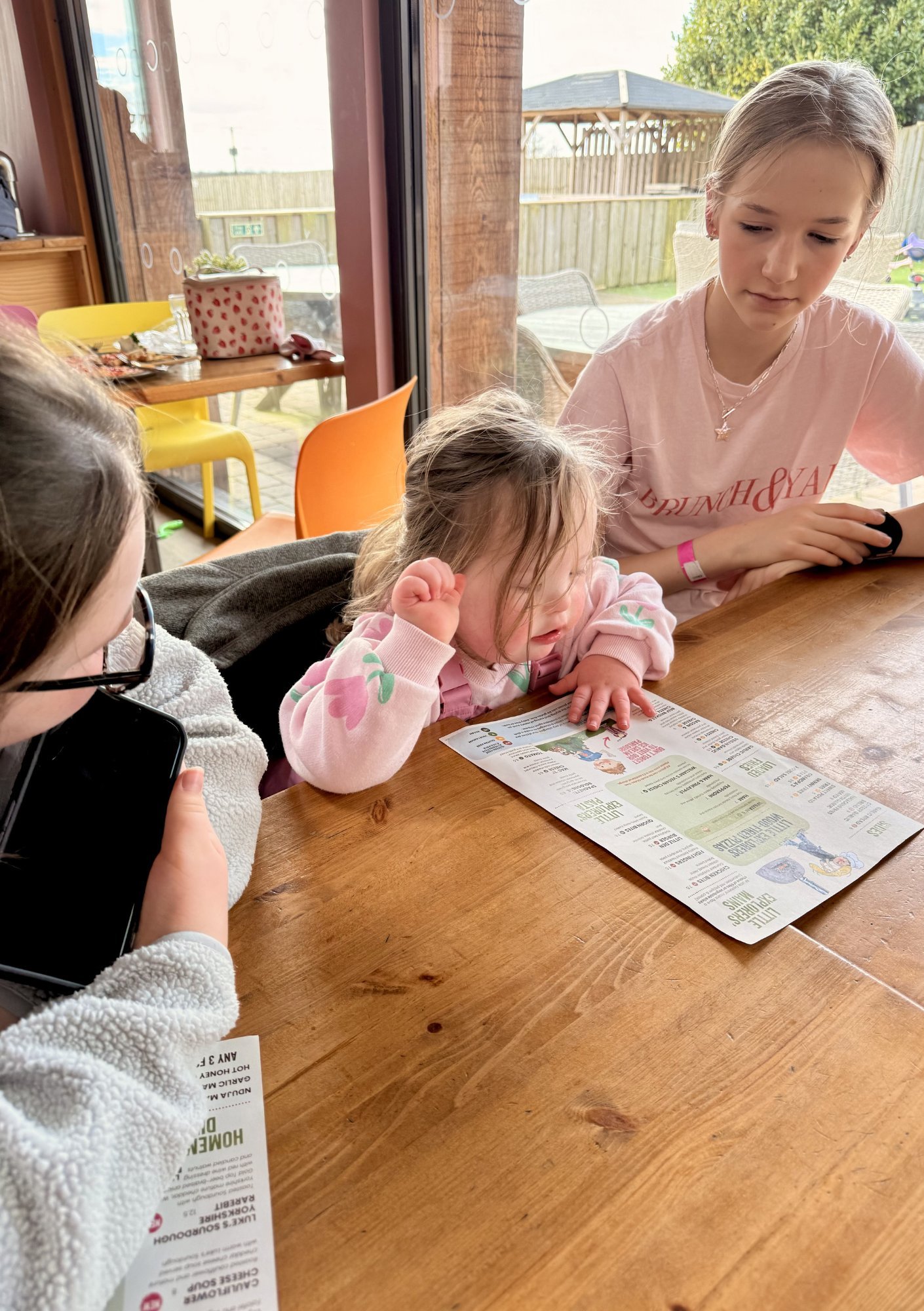
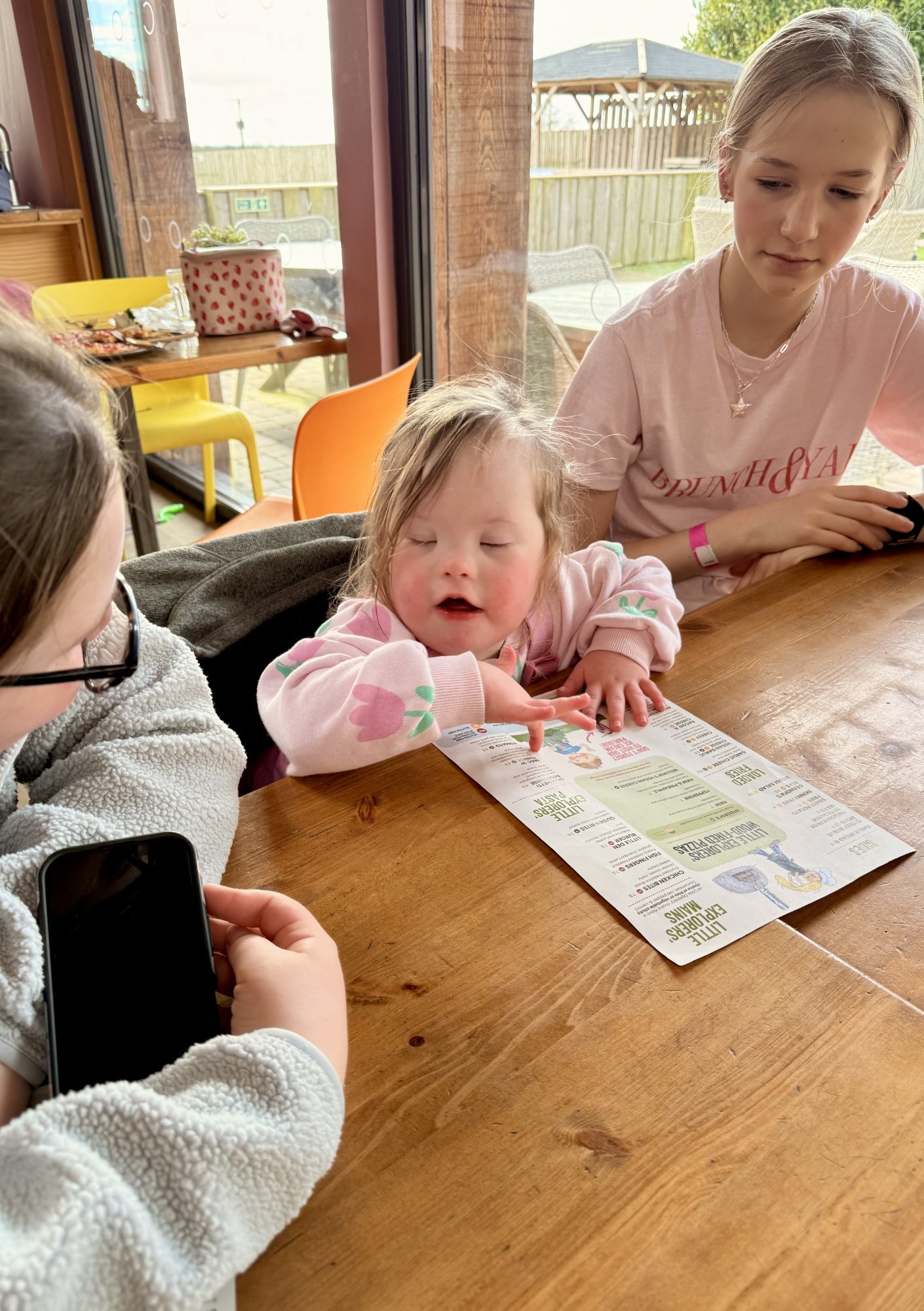
How Down Syndrome Can Affect Fine Motor Skills
There are a few key reasons why fine motor skills can take longer to develop for children with Down syndrome.
One of the biggest is low muscle tone (hypotonia).
Children with Down syndrome usually have less natural tension in their muscles, which means it can take more time to build the strength and control needed for precise movements.
This can affect how your child grips objects, uses their hands, or coordinates small movements like picking things up or manipulating toys.
Another factor is coordination.
Fine motor skills rely on your child’s muscles and brain working closely together.
This includes how the central nervous system sends signals to the muscles and how those movements are controlled and repeated.
When that coordination takes longer to develop, it can impact your child’s ability to carry out more detailed tasks.
Joint flexibility can also play a role.
Many children with Down syndrome have increased joint laxity, meaning their joints are more flexible than usual.
While that can be helpful in some ways, it can also make it harder to stabilise movements, especially when your child is learning to control smaller, more precise actions and finger control.
Because of these factors, you might notice some common fine motor skills difficulties showing up as:
- difficulty gripping or holding objects
- slower development of hand strength
- challenges with coordination
- taking longer with tasks like feeding or playing
One of the most important things to understand is that these skills don’t develop on their own.
They’re connected to overall strength, posture, balance, and even sensory processing.
When your child is still building those foundational skills, it naturally affects how their hands function, too.
How Fine Motor Skills Have Developed for Maisy
With Maisy, fine motor development has never been a separate thing. It’s always been part of the bigger picture.
The same factors that affected her overall strength and coordination have also shaped how her fine motor skills have developed.
One of the clearest examples of this has been feeding.
Because of her low muscle tone, Maisy developed what doctors described as an unsafe swallow.
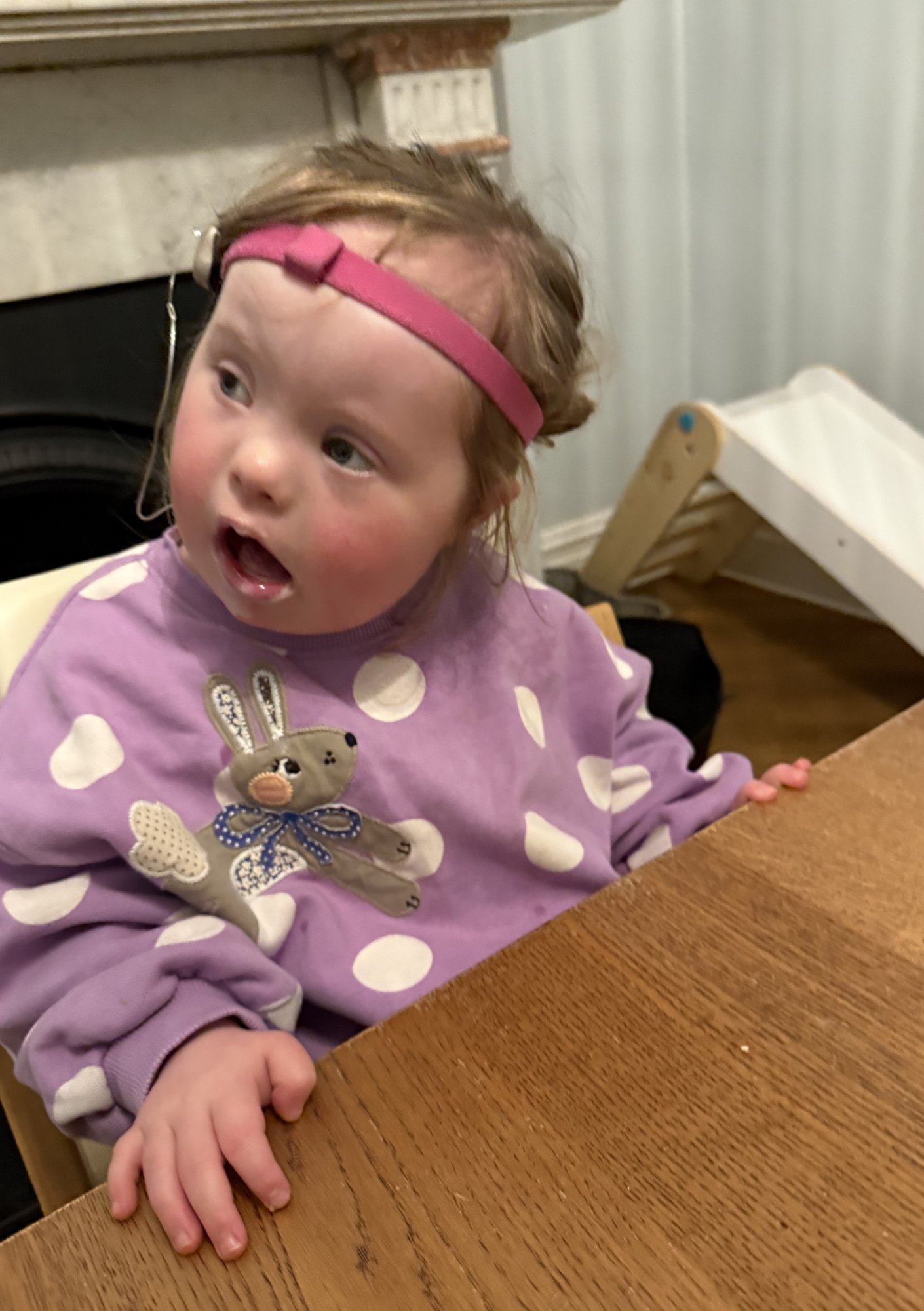
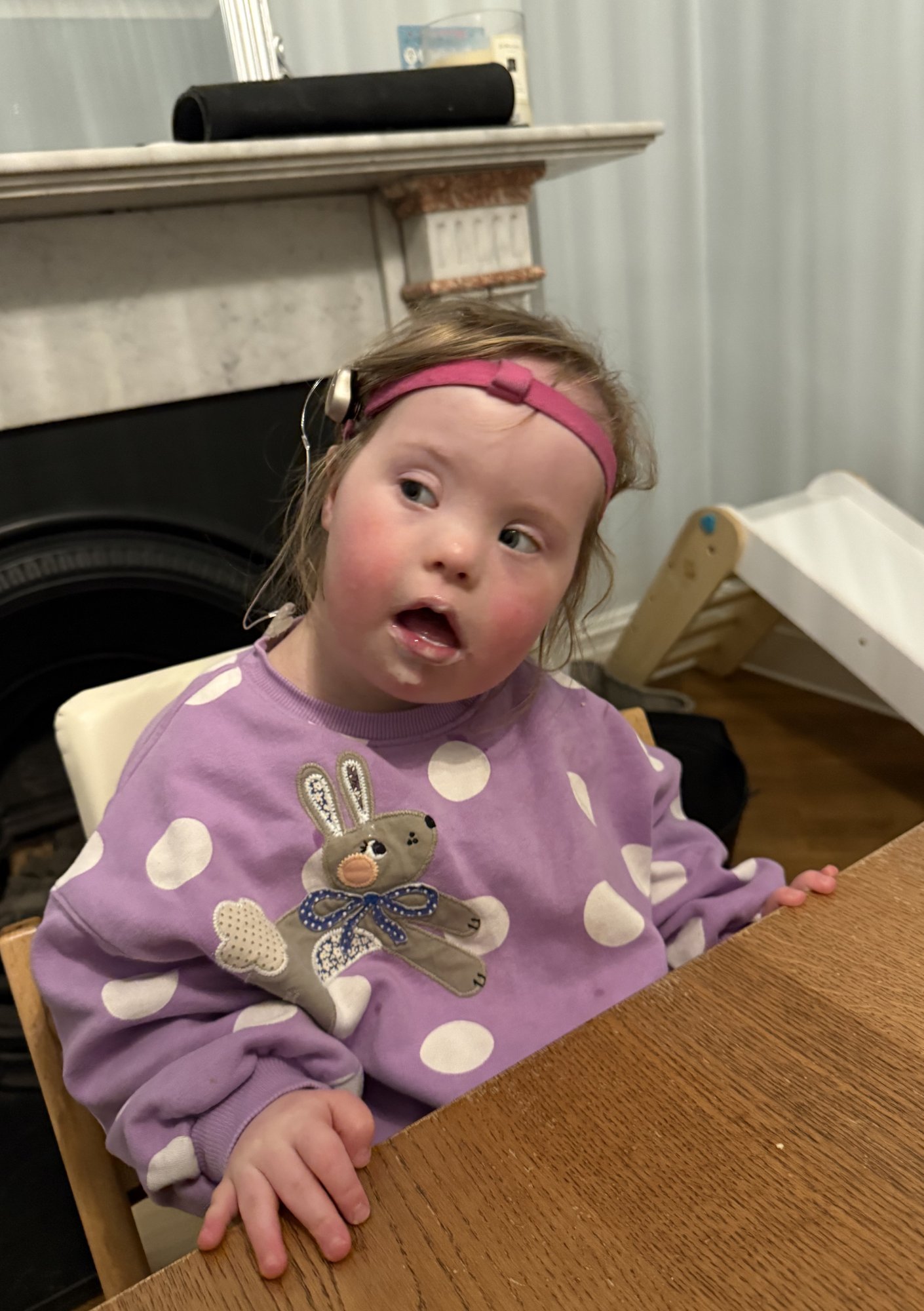
The muscles in her mouth and throat weren’t strong enough to coordinate properly, which meant milk and fluids could enter her lungs instead of her stomach.
She eventually needed a PEG feeding tube so she could safely get the nutrition she needed.
Looking back, this really highlighted how interconnected everything is.
The muscles used for feeding (tongue, jaw, and throat) are part of oral motor skills, which sit alongside fine motor development.
As her strength has improved over time, we’ve seen progress here too.
She’s gradually moved through different food and drink textures, building more control and independence. Even now, things like chewing can be tiring, and eating still takes more time and patience than it might for other children.
But the progress is there.
And that’s been the pattern across everything.
It doesn’t happen all at once, and it’s not always linear, but little by little, things improve.
That’s probably the biggest takeaway for us.
Fine motor skills, like everything else, develop over time. And sometimes progress shows up in ways you don’t expect at first.
How to Support Fine Motor Skills in Children With Down Syndrome
When it comes to supporting Down syndrome fine motor skills, one of the most helpful things to understand is that progress often comes through everyday moments.
It doesn’t have to be complicated or structured. A lot of the development happens through play, repetition, and giving your child opportunities to use their hands in different ways.
One of the biggest supports for fine motor development is occupational therapy.
An occupational therapist can help your child develop fine motor skills by focusing on hand strength, coordination, and everyday fine motor tasks that support independence and overall well-being.
We’ve found that a lot of what therapists suggest can be built into daily activities at home.
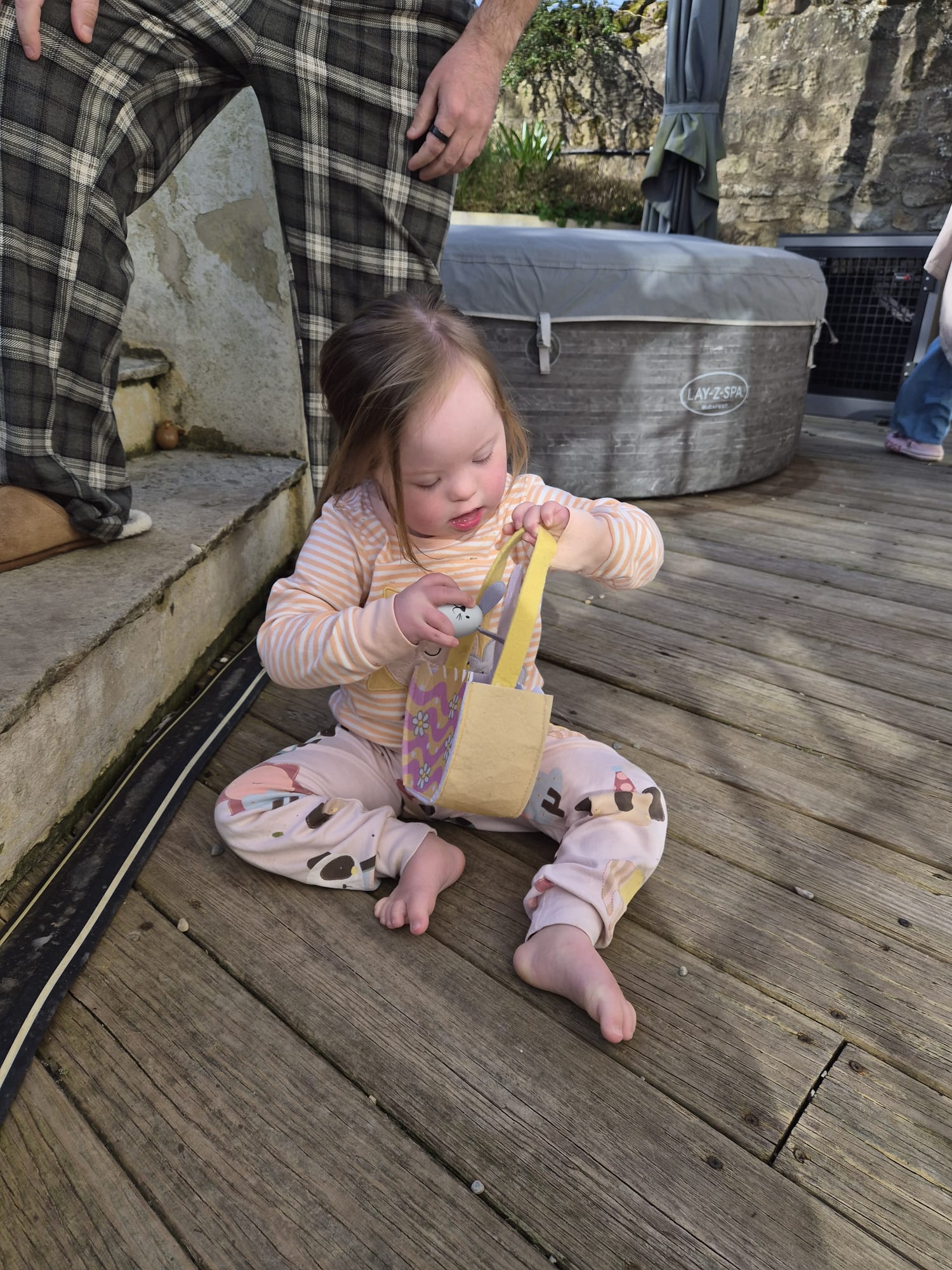
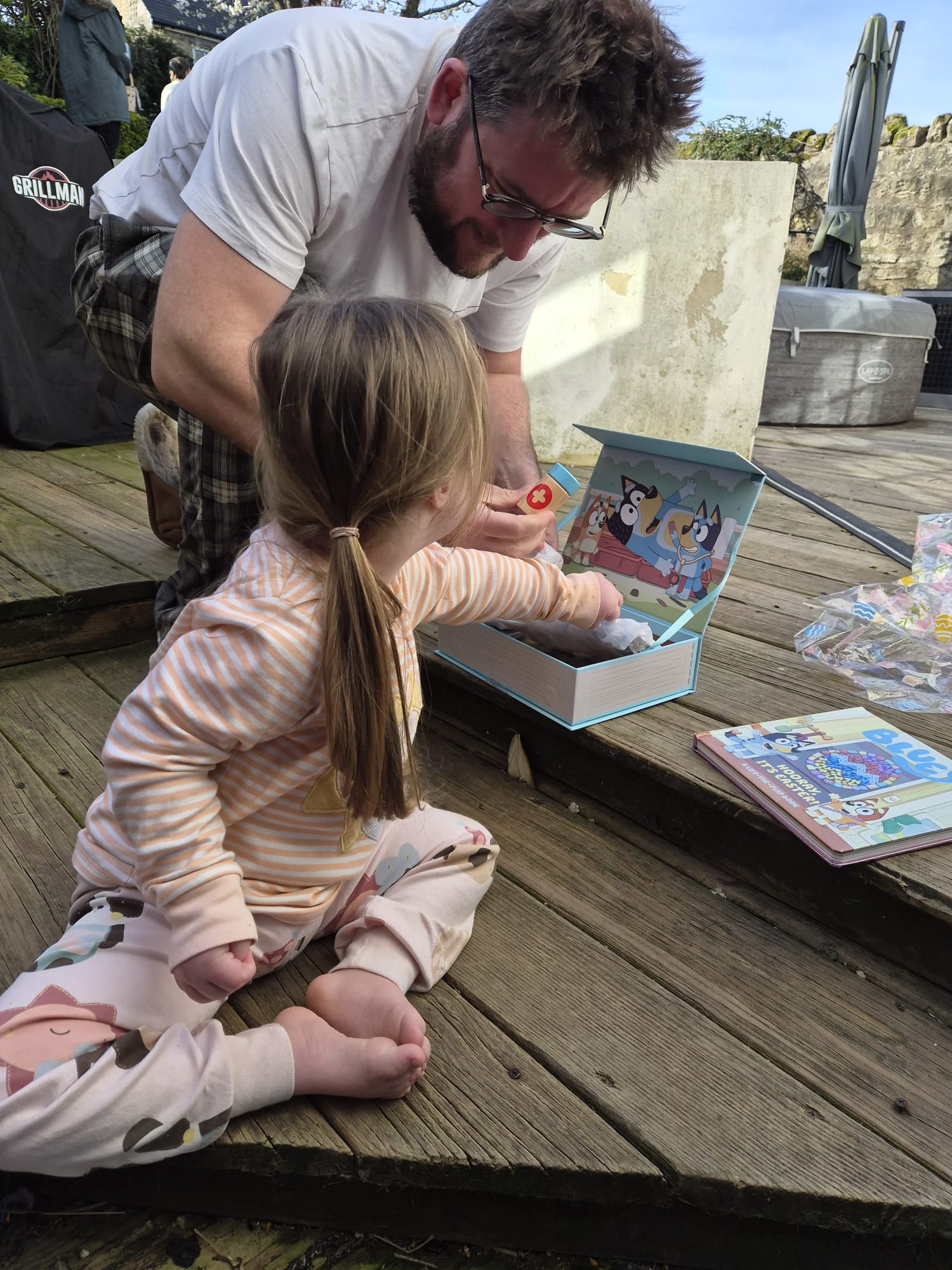
Simple, fun activities can make a big difference.
You can try these:
- playing with toys that encourage grasping, releasing, and putting objects into containers
- using puzzles, shape sorters, or stacking toys to improve coordination and problem-solving
- drawing, colouring, or making marks on paper to develop finger movements and early writing skills
- practising cutting with child-safe scissors, or using glue and cardboard to create simple crafts
- encouraging your child to pick up small objects, move them between hands, and explore different textures
- practising self-feeding, which helps build coordination, control, and confidence
These kinds of fine motor skills examples help build the strength, coordination, and endurance your child needs over time.
Another important area is bilateral coordination, which is how both hands work together. This can be developed through activities like holding paper while drawing, using both hands to complete a task, or playing with toys that require two-handed movement.
Creating the right environment also helps.
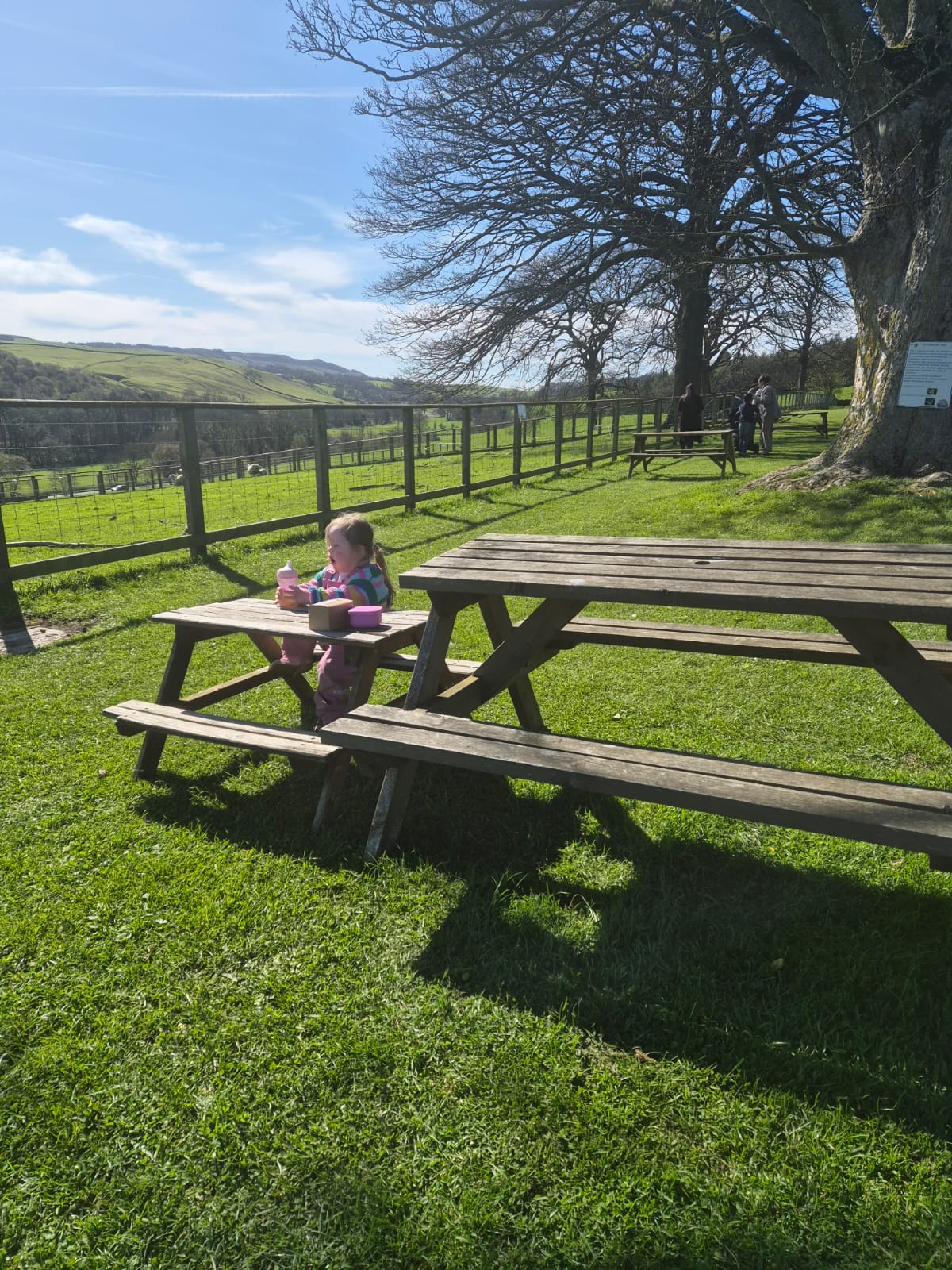
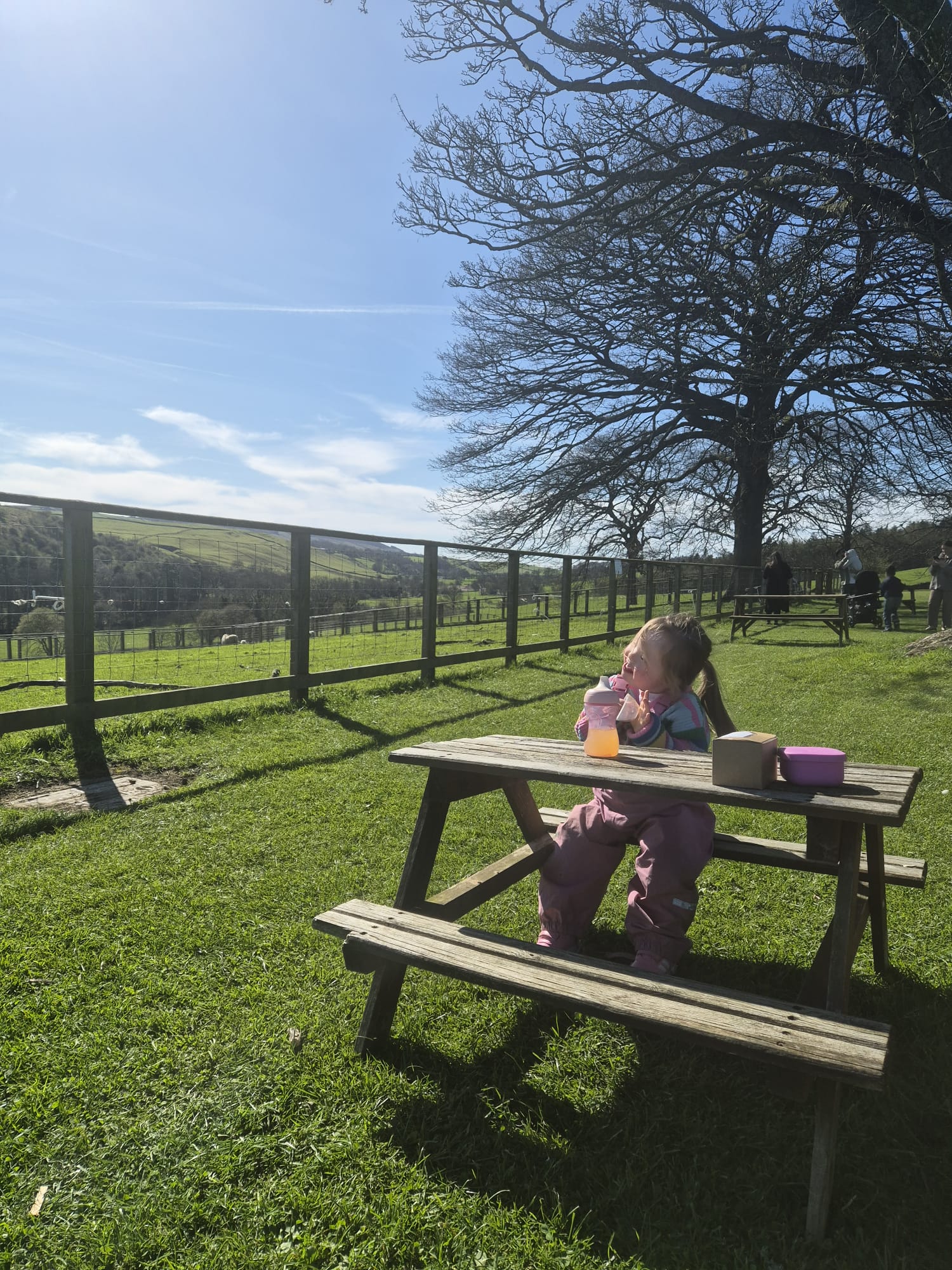
A stable position, like sitting at a table with feet flat and good support, can make a big difference.
When your child feels balanced and supported, it becomes easier for them to focus on hand movements and fine motor control.
Most importantly, it’s about patience.
Fine motor development happens with the right support, practice, and encouragement.
What I’ve Learned About Fine Motor Skills with Maisy
When she was a little younger, it was really easy to focus on what Maisy wasn’t doing yet.
I’d notice the gaps. I’d compare, even when I didn’t mean to. And I’d catch myself wondering when certain things were going to click.
If you’re in this stage right now, I really get it.
It can feel slow, heavy, and like you’re constantly waiting for progress.
But things are happening, even if they’re easy to miss in the moment.
Being on this journey with Maisy has shown me how different development can look for children with Down syndrome.
With my two older children, development felt a lot more straightforward. I could actually see things building as they happened.
Then Maisy came along and completely shifted what I thought I knew.
With her, progress hasn’t always looked the way I expected, but it’s been there.
She’s grown so much.
And like with everything else, we trust that she’ll get where she needs to be in her own time.